
How Therapy Works
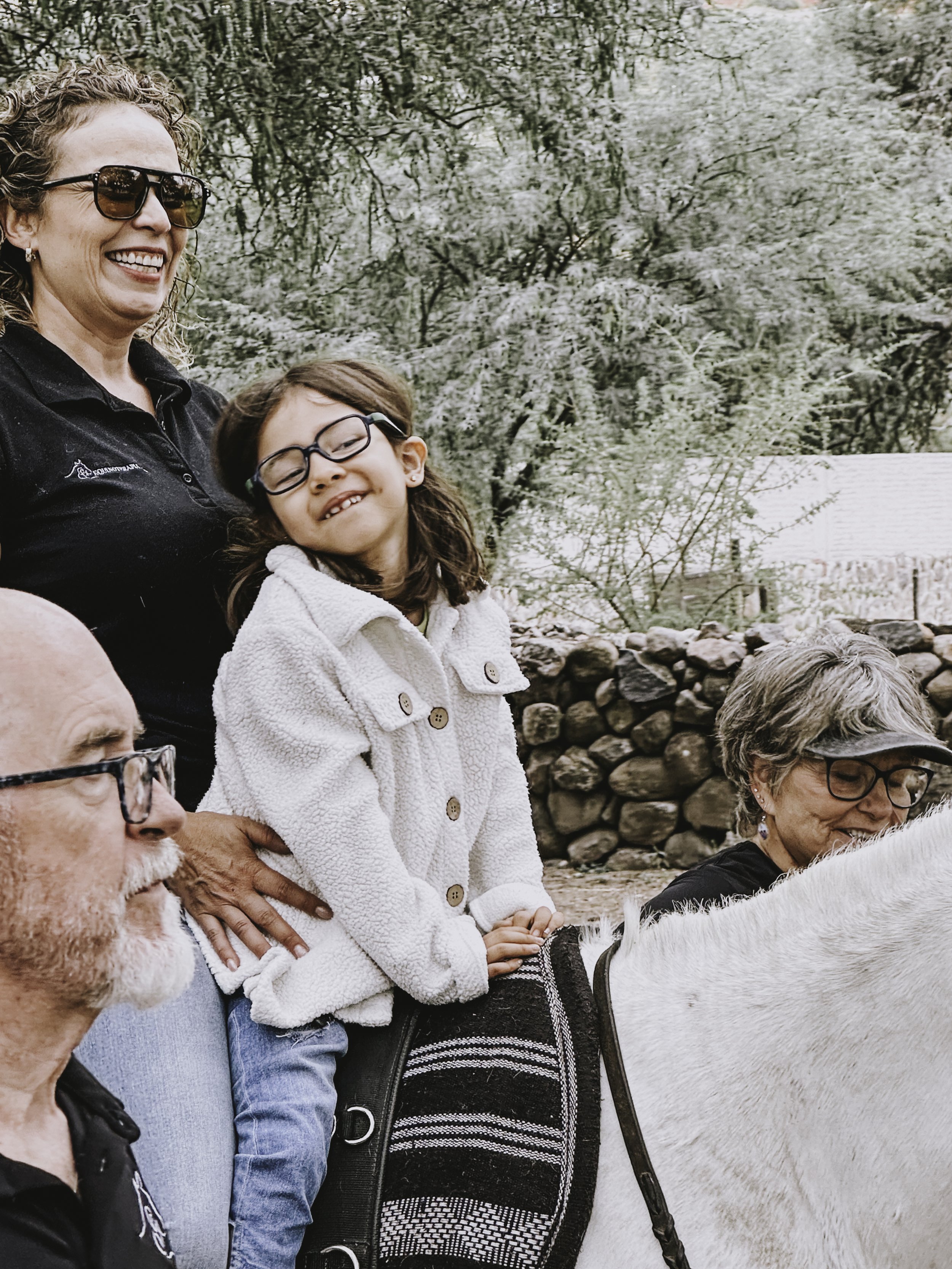
At our ranch, therapy sessions are designed around each participant’s individual strengths, goals, and needs — creating meaningful progress in an environment that feels encouraging, engaging, and connected to nature.
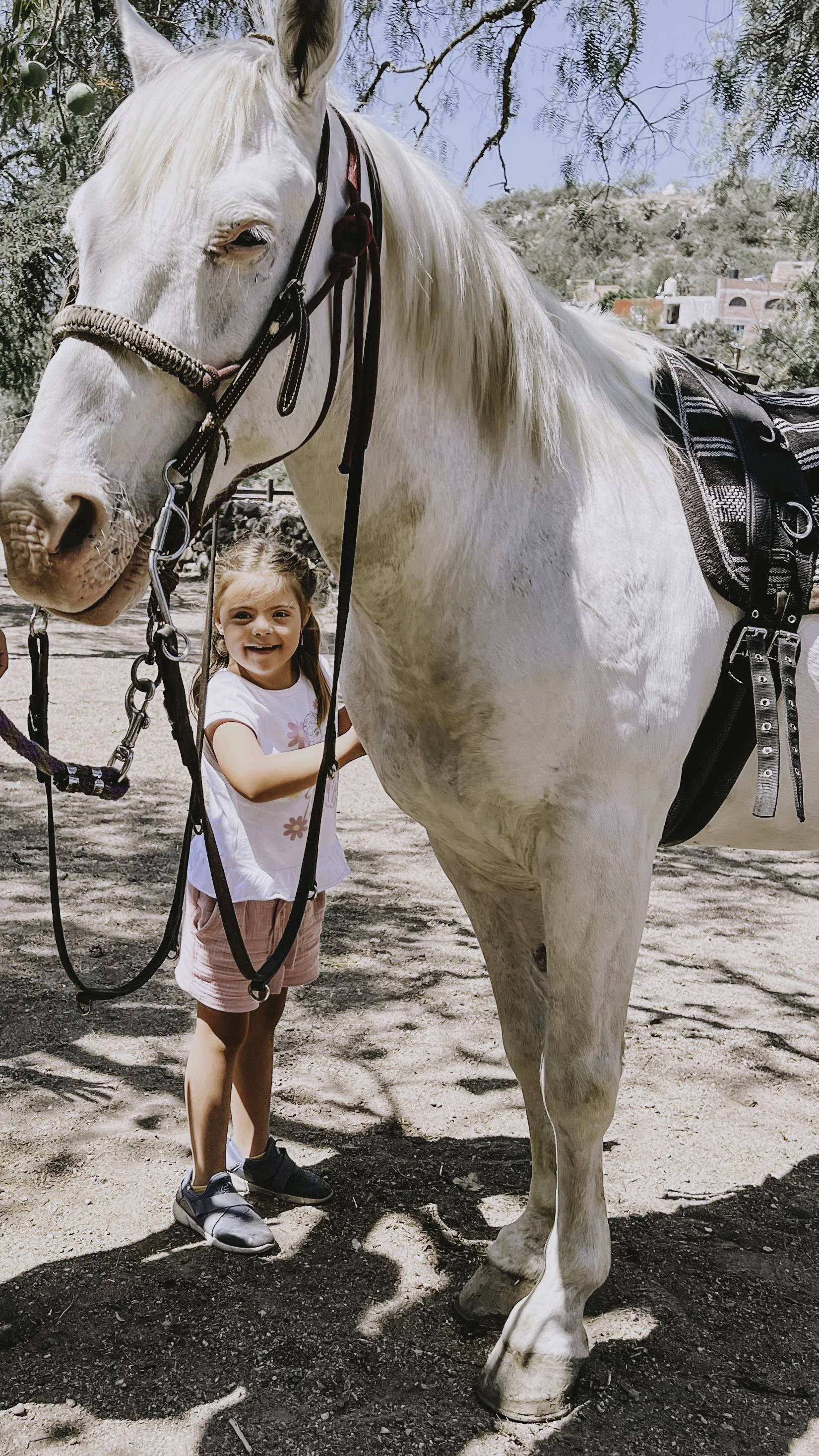
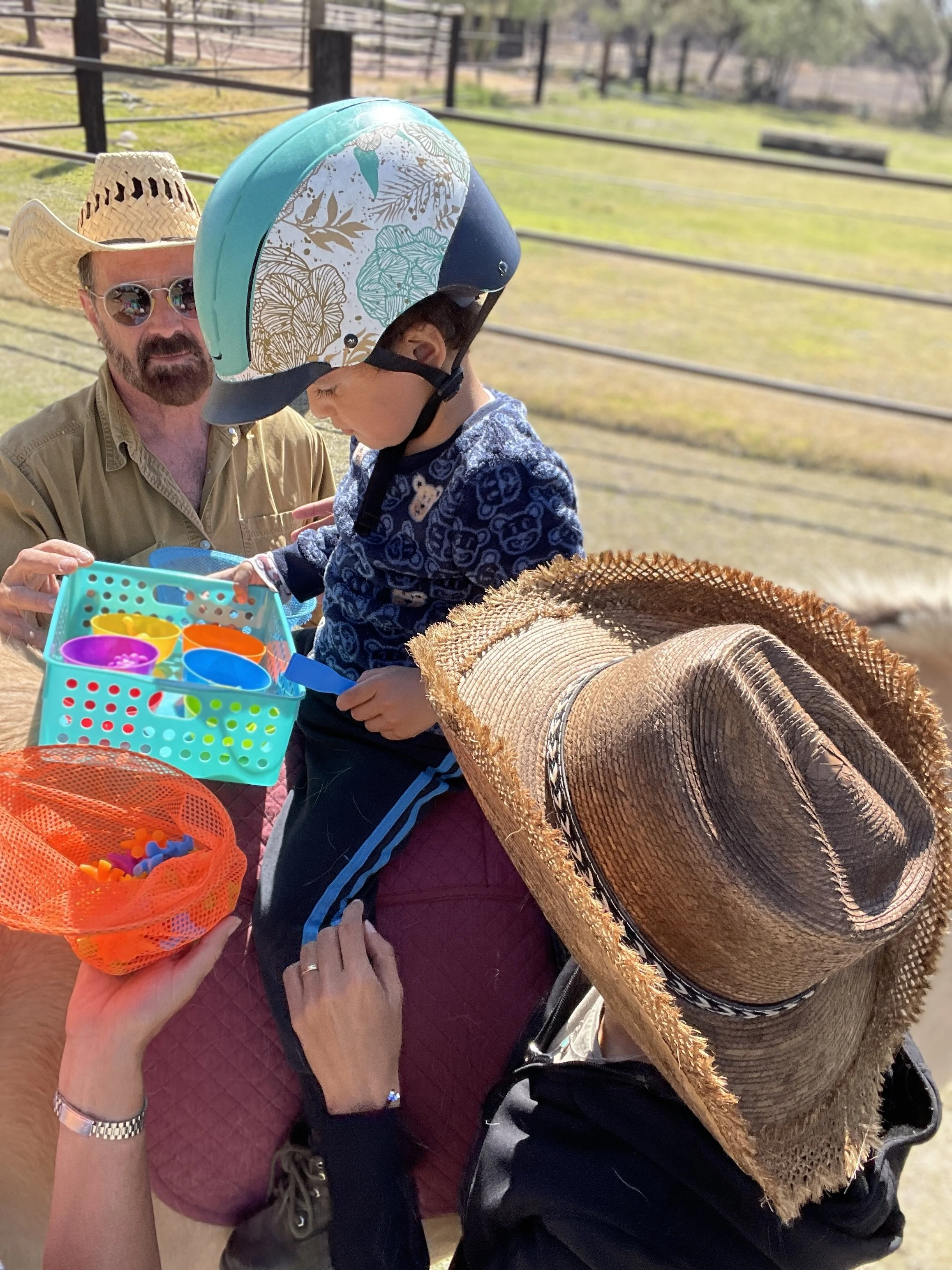
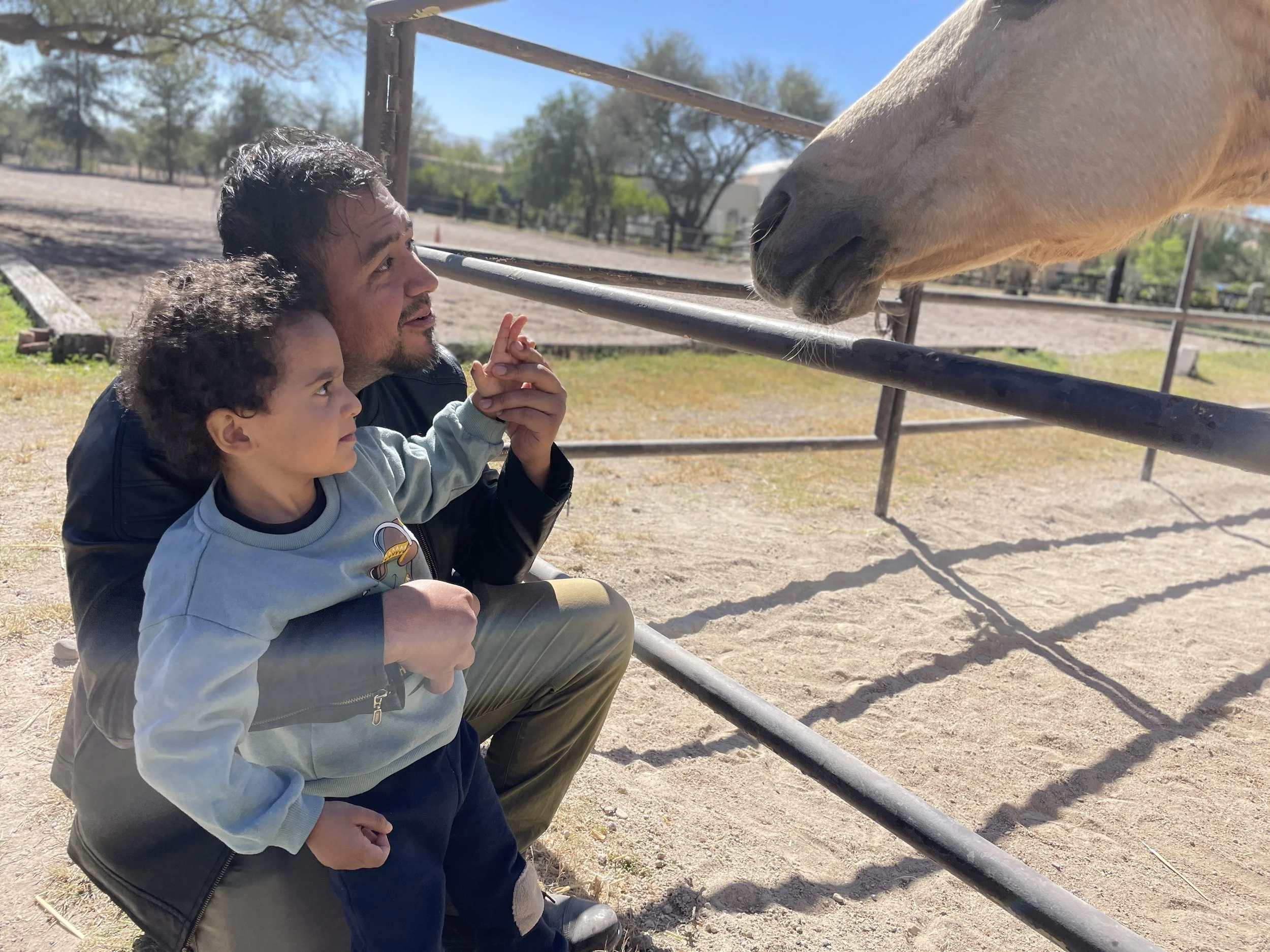
The rhythmic movement of the horse naturally supports the body and mind, helping improve balance, coordination, core strength, motor skills, sensory processing, focus, and emotional regulation. Horses also provide a calming, non-judgmental connection that can help build confidence, communication, trust, and self-esteem.
Our certified therapy team guides each session with the support of trained volunteers and gentle, well-trained horses.
The movement of the horse, combined with purposeful therapeutic activities, supports physical, sensory, cognitive, and emotional development in a way that keeps children actively engaged.
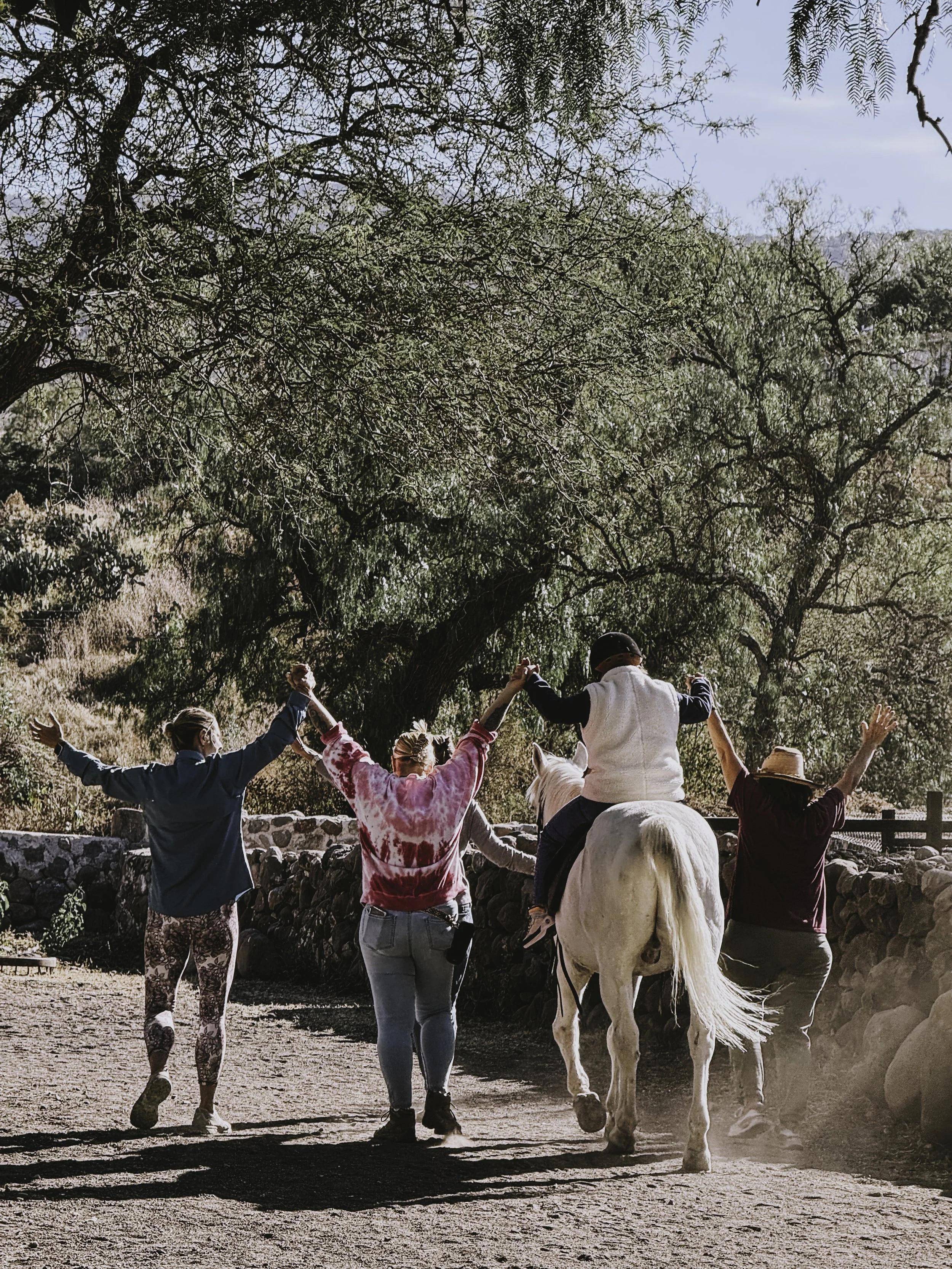
Every child experiences equine therapy in their own unique way.
Why Horses Work — The Science
Neuromotor stimulation: The horse’s gait closely mirrors human pelvic motion, activating balance, posture, and core muscles.








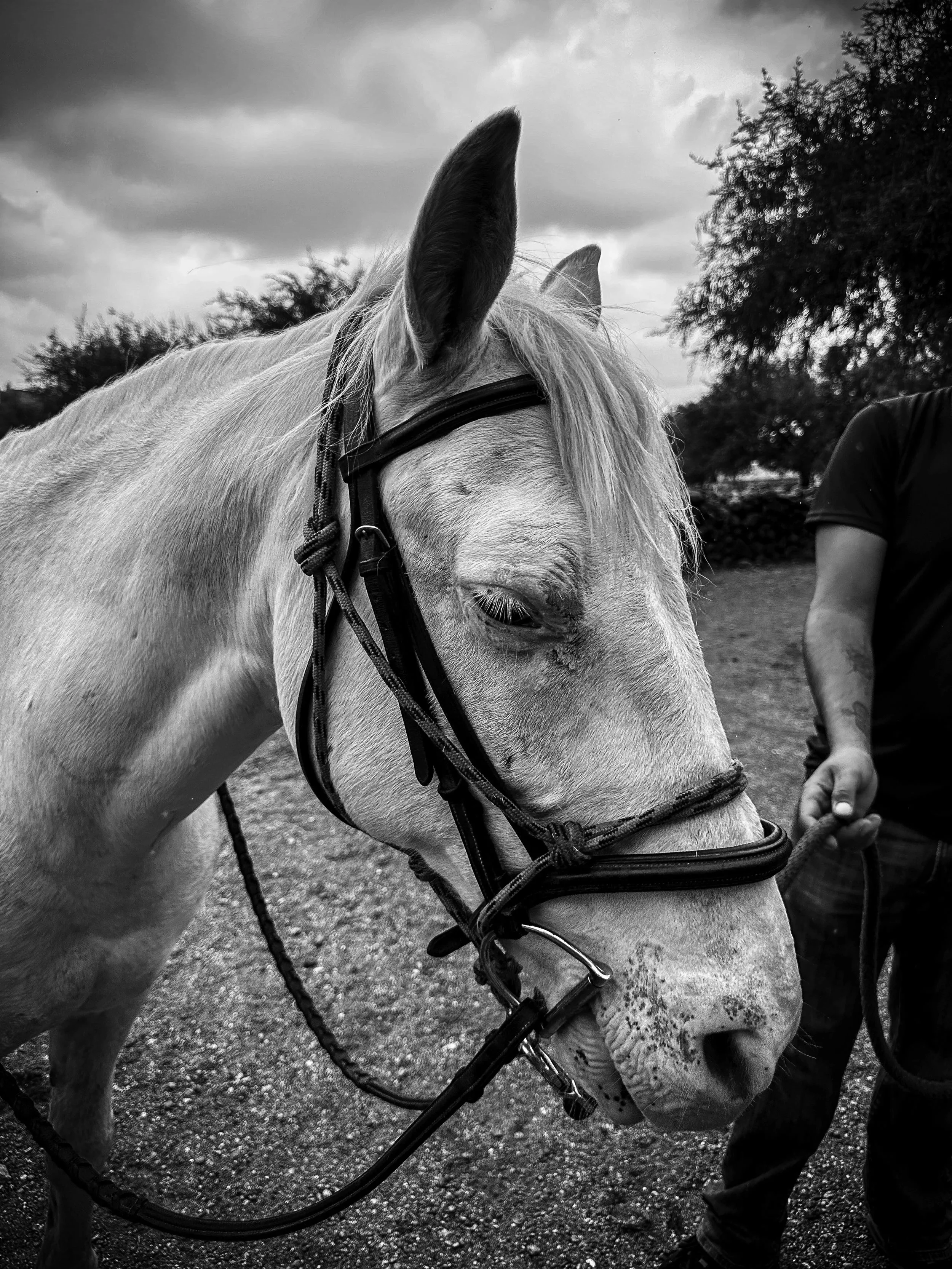
Neuroendocrine regulation: Rhythmic movement helps reduce stress and supports emotional regulation and attention.
Physical Benefits
1
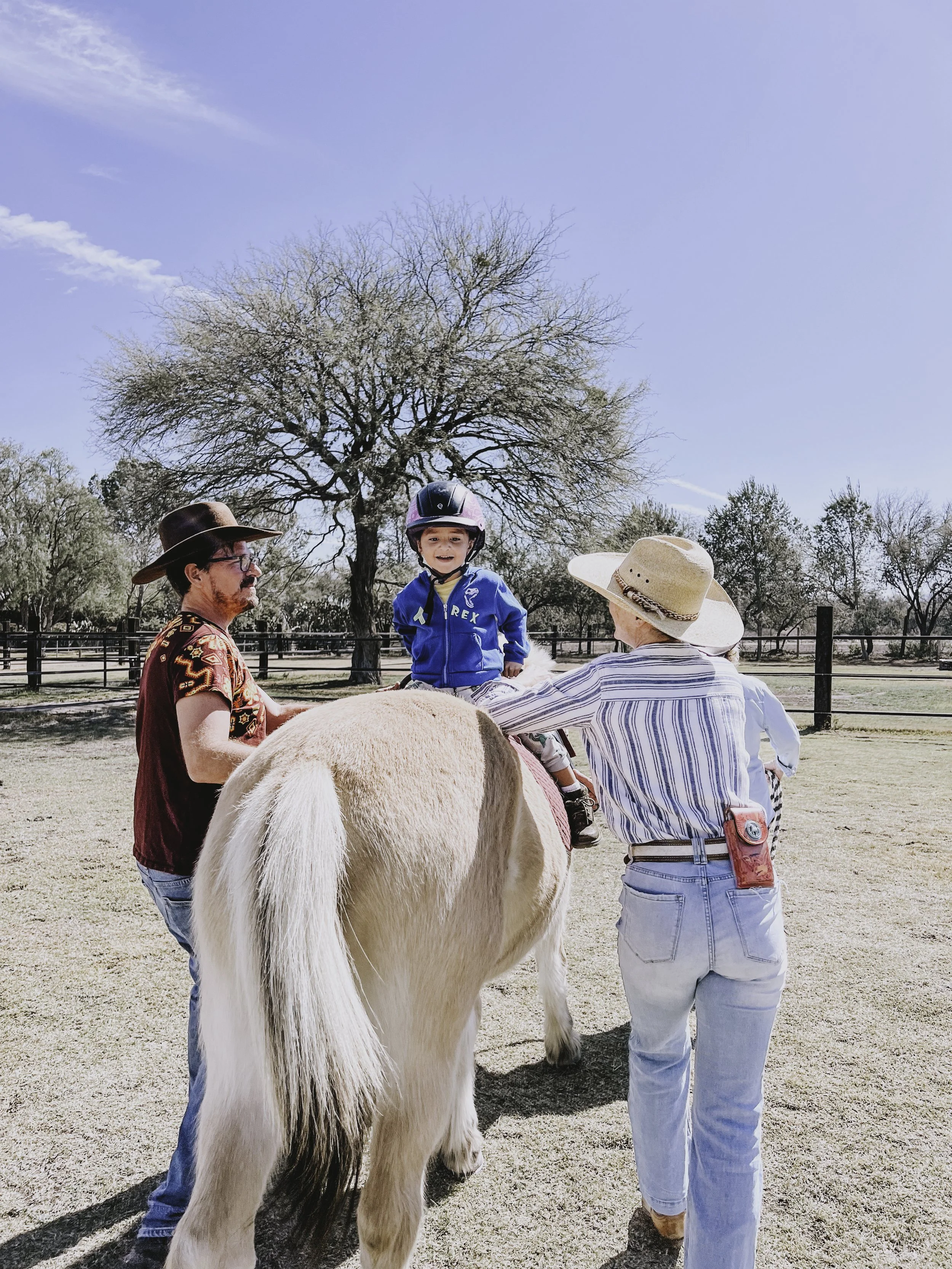


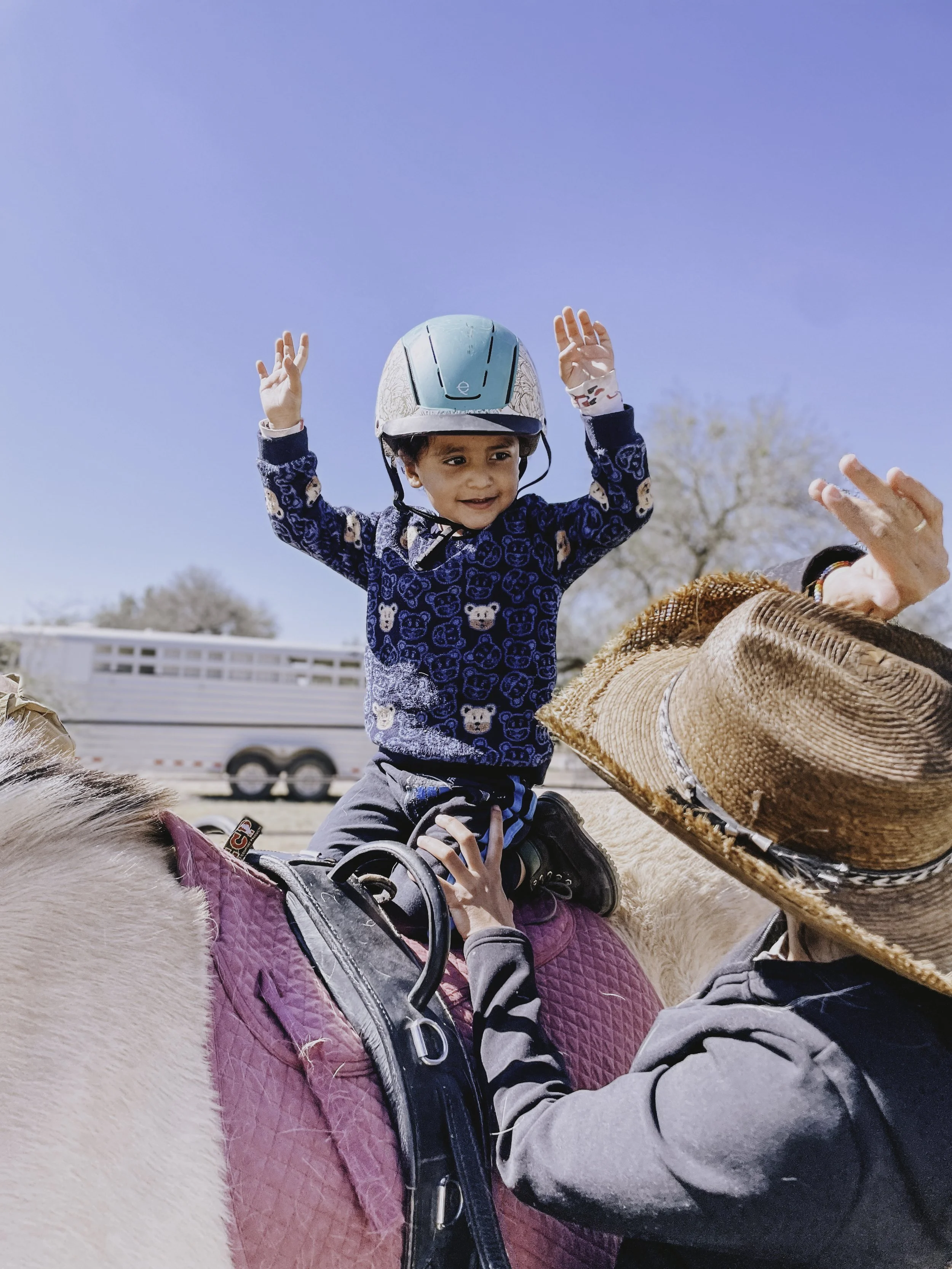

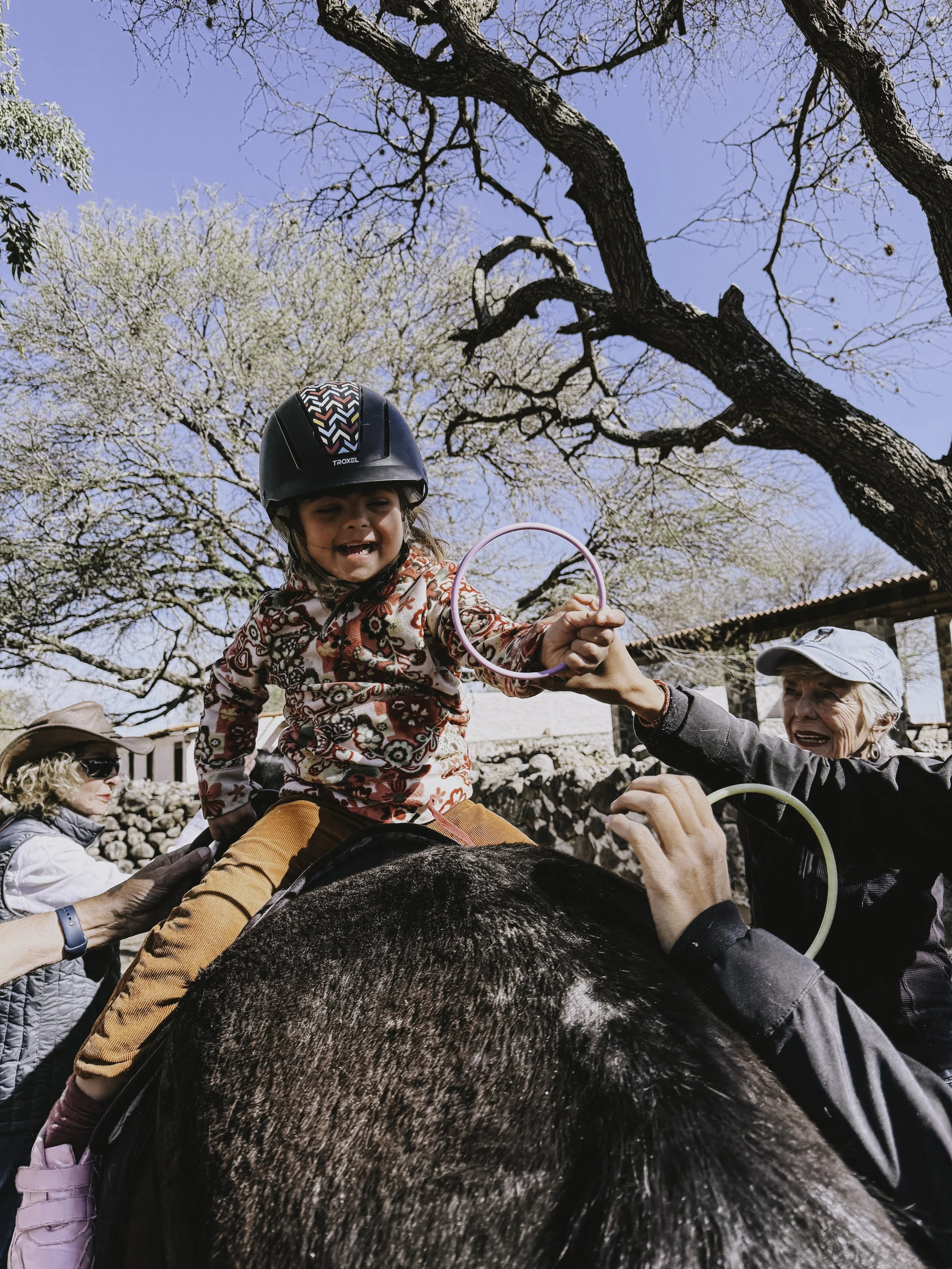
Improved coordination and better motor control
Stretching of tight or spastic muscles
Improved balance
Decreased spasticity
Increased range of motion
Social Benefits
2
Age appropriate activity
Increased experiences
Social interaction on a 1:1 (or often 4:1 - four staff/volunteers with each student)
Increased self-esteem and confidence
Cognitive&
Educational Benefits
3
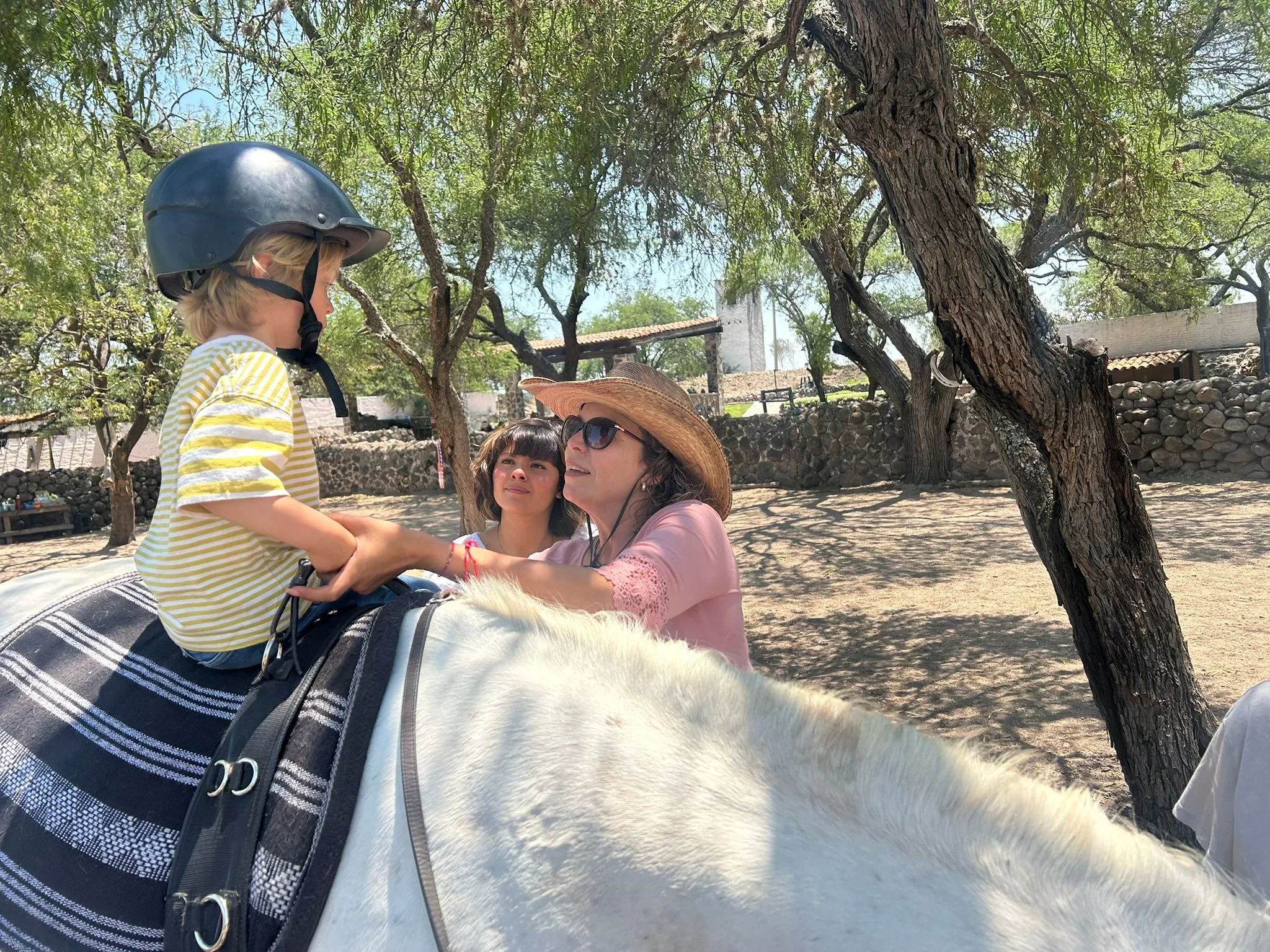

Sequencing, patterning, and motor planning
Improved hand/eye coordination
Improved visual/spatial perception
Counting
Colors
Encouraged use and development of speech and/or communication
Behavioral Benefits
4
Physical & Neurological Rehabilitation
Cerebral palsy
Down syndrome
Mild to moderate multiple sclerosis
Neuromotor disorders
Stabilized post-stroke conditions
Mental &
Emotional Health
Anxiety
Mild to moderate depression
PTSD (including veterans and trauma survivors)
Social-emotional skill development
Increased Attention Span
Sensory Integration
Behavior modification